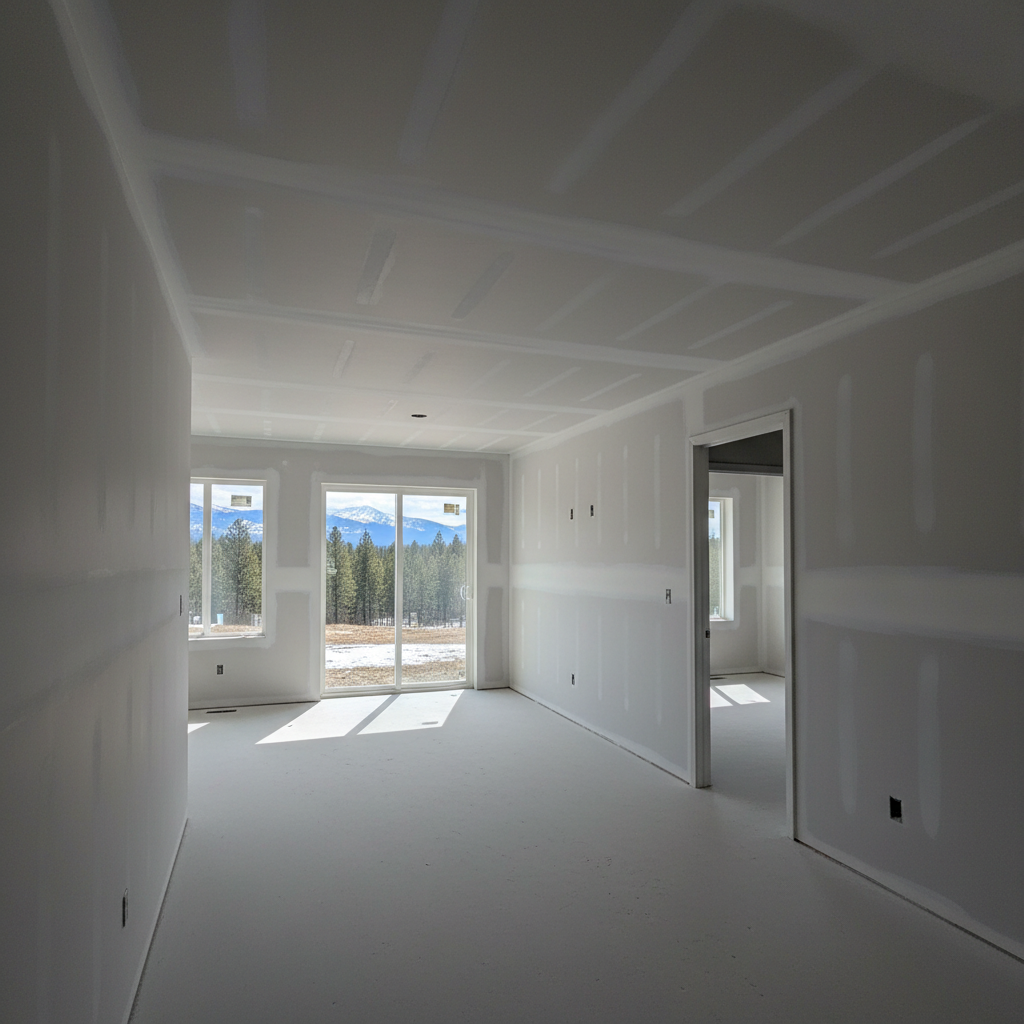
Drywall Priming in McCall: Your Project Planning Guide
So, you've got new drywall up, or maybe you're patching up some old stuff, and now it's time for primer. You might think it's a quick step, but getting it right makes all the difference for your final paint job. I've seen a lot of projects around McCall, from the cabins up near Little Payette Lake to the newer builds downtown, and proper priming is key.
Timeline: What to Expect
How long does priming take? It depends on the size of the job, of course. For an average room, say 12x12, you're usually looking at a day for prep and priming. If it's a whole house, like a 2,000 square foot home, we're talking 2-3 days for the priming phase itself, not including any drywall repairs or finishing that might still be happening.
Here's a rough breakdown:
- Prep Work (Half to Full Day): This is crucial. We'll be protecting floors, windows, and anything else that's staying put. Taping off trim, covering outlets – it all takes time, but it saves a lot of headaches later.
- First Coat of Primer (Half to Full Day): We'll get that first coat on. We usually use a high-quality PVA (polyvinyl acetate) primer, especially on new drywall, because it seals the surface really well and helps with adhesion.
- Drying Time (4-24 Hours): This isn't just about it feeling dry to the touch. The primer needs to cure properly. Humidity in McCall can sometimes play a role here; those damp spring days mean we might need a bit more time.
- Second Coat (Optional, but Recommended for Best Results - Half Day): Especially if you're going from dark drywall mud to a light paint color, or if the drywall was particularly thirsty, a second coat ensures an even, uniform base.
Don't rush it. Trying to paint over wet or improperly cured primer is just asking for trouble down the line.
What Happens During the Process
When my crew from New Look Drywall shows up for a priming job, here's what you'll see:
- Protection First: We lay down drop cloths, tape off baseboards, window frames, and doors. We'll cover any built-ins or fixtures. Dust is part of the game, even with priming, so we try to contain it.
- Inspection: We do a final walk-through to make sure all drywall repairs are done, screws are set, and the surface is as smooth as it can be. Sometimes we'll do a light sanding if there are any small imperfections left from the drywall finishing.
- Application: We'll apply the primer using rollers and brushes. We're looking for full, even coverage. No thin spots, no drips. It's about creating a consistent base for your paint.
- Ventilation: We'll make sure there's good airflow. Open windows, use fans if needed. It helps with drying and keeps the air clear.
- Clean Up: Once the primer is on and drying, we'll start packing up our tools and cleaning up the work area. We don't leave a mess for you.
How to Prepare Your Home
You can help make the process smoother. Here's what you should do before we arrive:
- Clear the Area: Move furniture out of the rooms being primed. If it's too big to move, push it to the center and cover it with plastic sheeting.
- Remove Wall Hangings: Take down pictures, mirrors, and anything else on the walls.
- Secure Valuables: If there are small, breakable items, put them away in a safe spot.
- Pets and Kids: Keep pets and children away from the work area. Primer fumes aren't great for them, and it's safer for everyone.
- Power Access: Make sure we have easy access to power outlets for any tools or fans we might need.
Basically, anything you don't want primer on, or that would get in our way, should be moved or protected.
Questions to Ask Before Signing a Contract
Before you commit to a contractor, make sure you're clear on a few things. Don't be shy about asking these questions:
- What type of primer do you use? A good contractor will be able to explain why they choose a particular primer for your specific project. For new drywall, you want a good quality PVA or a dedicated drywall primer.
- How many coats of primer will you apply? One coat is standard, but sometimes two are better, especially if you're going for a dramatic color change. Get it in writing.
- What's included in the prep work? Does it include masking, floor protection, and light sanding? Make sure you know what to expect.
- What's your clean-up process? You want to know they'll leave your home tidy.
- Do you carry insurance? Any reputable contractor in Idaho should have liability insurance. It protects both of us.
- What's the total cost, and are there any potential extra charges? Get a clear, written estimate.
Priming isn't the most glamorous part of a renovation, but it's foundational. Do it right, and your paint job will look sharp and last for years. Cut corners, and you'll be seeing flashing, uneven color, and maybe even peeling paint down the road. If you've got questions about your next project here in McCall, give us a call at New Look Drywall. We're always happy to talk shop.